Circling the Same Questions, Standing in Different Spaces
In this reflective piece, we hear from Tamsin Ellis who shares her experience of moving between different spaces in contemporary healthcare and the growing sense of both energy and frustration that can arise when similar concerns surface again and again under different names. Writing from within practice, she stays with the questions this raises about silos, collaboration and how we might learn to work together with more openness and care.
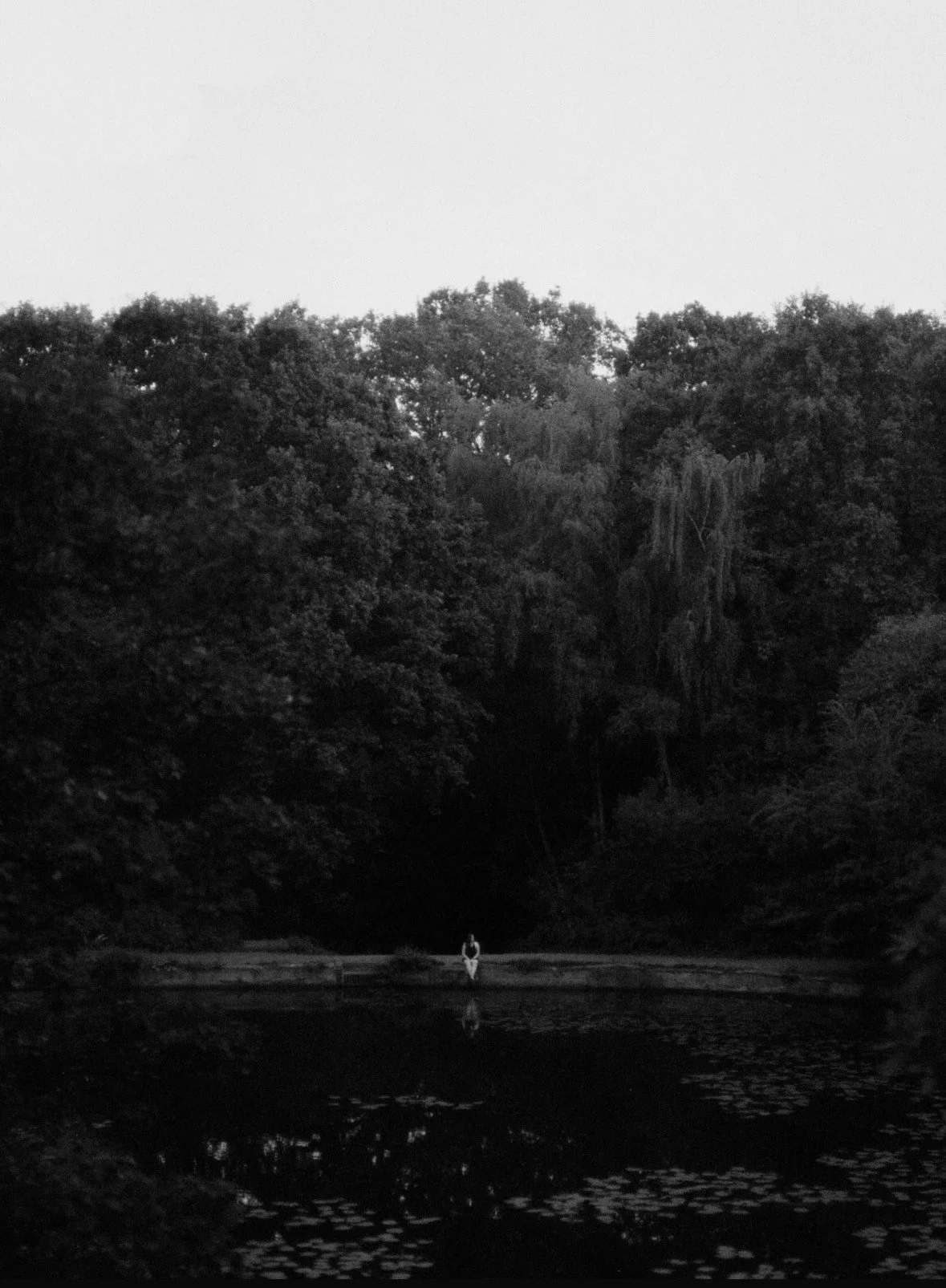
“I've found it really hard finding where I fit in the healthcare professional landscape. Not quite bohemian enough for local poetry and art groups, not quite academic enough for the intellectual conference circuit. Where I've landed is a place I enjoy - a salaried GP trainer in a patient-focused practice with a side hustle in green/environmentally sustainable medicine and health equity, learning about different ways of working, from creative health to coaching.
I love learning. I'm a bit of a sign-up fiend - webinars, workshops, conferences, lunchtime meditation, podcasts, or even that coffee break case-based chat. Sign me up to them all. I can't get enough. I don't love the corporate slurry - the big pharma stalls scanning your QR email or stuffy brightly lit NHS rooms with instant coffee and beige biscuits. What I really love is sitting in an audience, slides ahead of me, seeing a speaker talk passionately about their topic, sharing expertise - as an audience of healthcare workers take pictures of slides that will sit unseen and gathered in their phone's photo app.
Recently at various events I've felt a slow frustration building in my learning journey. A bursting thought held down. Sat in dark rooms, stood in conversations, silently shouting from the top of my lungs: "WE ARE ALL DOING THE SAME THING!"
In a small creative health workshop, hearing stories about poetry and artistry in medicine, I thought about a mental health talk I'd been to about patient-led art groups.
At a polypharmacy webinar on deprescribing in frailty, there was no mention of the carbon reduction and social impacts of appropriately stopping medication that I'd seen at environmental conferences.
Doing squats in a lifestyle medicine lecture made me think about the physical activity champion lunchtime team call I'd sat through. The 'pillars' of lifestyle medicine standing silent.
Up in Glasgow at a Deep End site visit to a deprived practice working to help patients through social prescribing, we visited green sites linked to the surgery. The healthcare professionals involved hadn't linked in with green prescribing and the work of Greener Practice.
The list could go on. Inequalities work, creative health, flourishing, lifestyle medicine, green and environmental sustainability. Similar insights surfacing again and again, slightly differently, and under different banners – with no interconnection. But, the frustration for me isn't the overlaps - it's people's responses to the overlap.
Each silo feels so passionately about what needs changing, I worry we're missing the trick of collaboration. At a recent NHS conference I rushed to the front to speak to a community health link worker, asking if they'd thought about the carbon savings of their amazing project work in proactive preventative care. The reply that it "wasn't really our thing" - maybe I should talk to their green team colleagues about e-bikes - felt deflating. When I asked in a green talk if they'd thought about using creative health and flourishing work such as creative enquiry, I was told it wasn't really the focus. Maybe I should join the personalised health special interest group available for that.

As generalists, GPs are usually very good at understanding people don't fit in nice neat boxes, that they are an amalgamation of things. Lots of things can be true at once.
I guess I don't have a solution. I think there will always be subgroups and passion projects, and I understand that boundaries are needed. I would just love us to be open to "our thing" connecting not just to our patients and to ourselves, but to our silos too.
Seeing Sage Practices come together in a collaborative way that engages wherever inspiration may come from feels like something I'd like to be part of. Come on in and try your thing - it will fit into the manifesto of kind and compassionate healthcare somewhere.
My hope is not so much that we build a movement, but that we create the conditions for something to grow: hospitals and clinics with more permeable boundaries, groups that resist being boxed in, and relationships that allow ideas to cross-pollinate without being forced into alignment. Recognising that we may be animated by similar hopes may help us pause, notice one another, and listen more carefully, even more thoughtfully when priorities feel unfamiliar or uncomfortable. What comes next is less clear. I hope to continue on my learning journey in a landscape that begins to ask the harder, slower questions of how we learn to work, relate and grow, in collaboration with the important relationships that sustain us. I hope you'll join me. Maybe we won't get the immediacy of my vision for change in a better, fairer, greener healthcare system, but new possibilities may be allowed to seek light and emerge not as grand solutions, but as patterns that slowly begin to hold ground for change.”
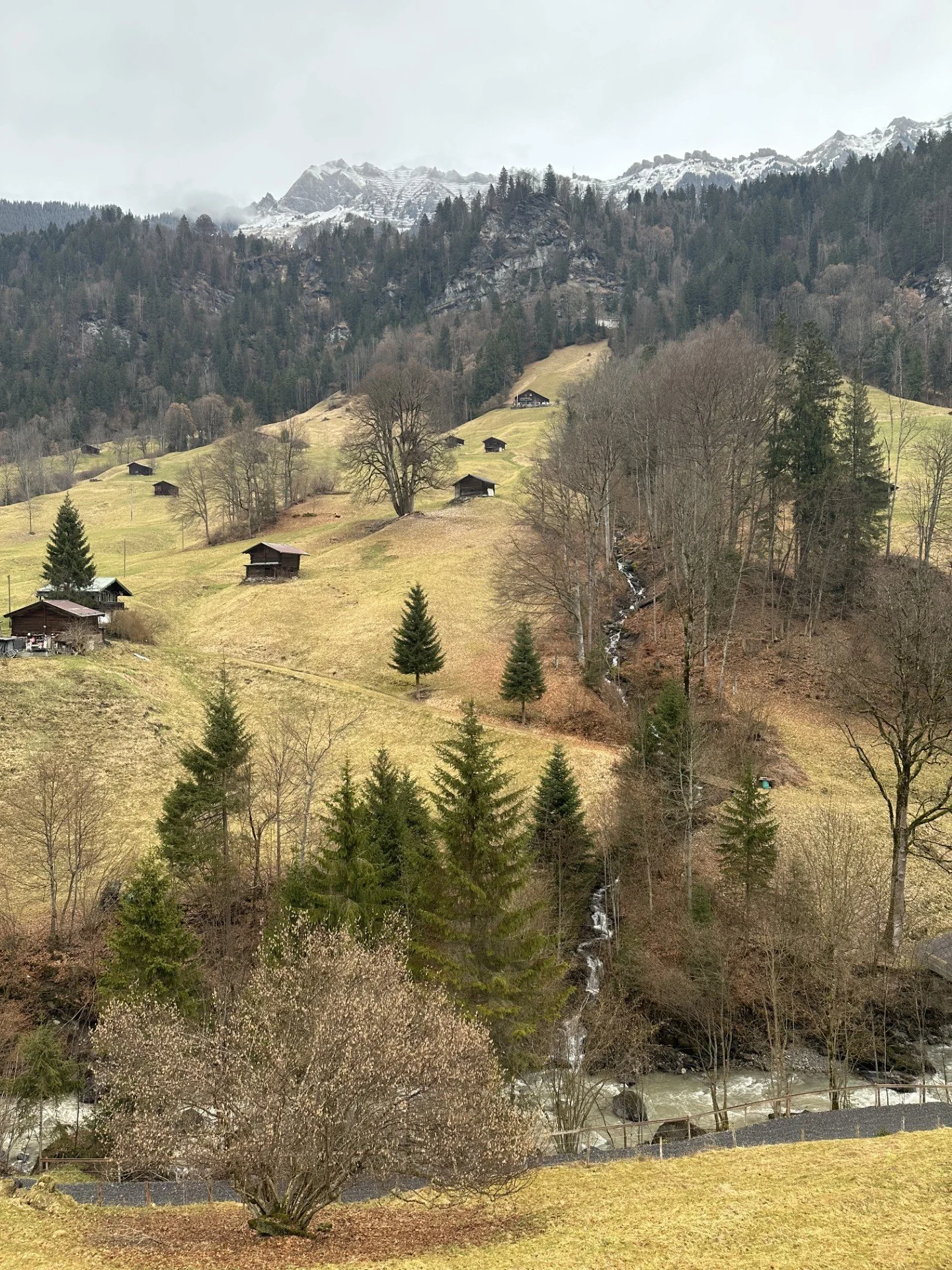
Sage reflection: Circling the questions together
We’re grateful to Tamsin for the openness and generosity of this piece. It names something many of us recognise but rarely articulate so clearly: the quiet puzzlement of working in healthcare at a time when so many people are trying, sincerely, to do better from different places.
Reading her reflections, we were struck by how often similar insights surface in different rooms, under different banners. Creative health, green practice, social prescribing, lifestyle medicine, health equity, each reaches towards something real and necessary. Recognising this shared intention can feel like a moment of relief: a sense that we are not alone, that perhaps we are all, in some way, circling the same concerns.
And yet, we wonder if recognition is only a first step.
In complex living systems, coherence doesn’t arise by simply adding parts together or aligning agendas. Bodies, communities and ecosystems are not made of lego, are not pixilated and neither do they behave like machines: they grow through relationship. From this perspective, the question shifts from how we “join things up” to how patterns form, how trust develops and how meaning emerges between people, practices and places.
An old story tells of people encountering an elephant in the dark, each touching a different part and describing a different truth. The difficulty is not that any one perspective is wrong, but that each is partial. The work is not to collapse these differences into a single view, but to stay in relationship long enough for a fuller sense to emerge.
Perhaps this moment in healthcare calls for something similar. Less urgency to resolve, more willingness to pause. Less certainty about solutions, more curiosity about how we learn to see together. Like weavers working with many threads, we may need to pay careful attention to tension, spacing and timing, trusting that coherence comes with curiosity and attention rather than force.
At Sage, we’re interested in tending spaces where these questions can be held without needing immediate answers. In a culture that prizes action and outcomes, choosing patience, listening and relationship may itself be a quiet form of hope and an essential part of finding our way towards more humane, fair and life-giving forms of healthcare. Many clinicians find themselves practising within systems they did not choose and cannot fully reshape. Learning how to live, work and care with integrity from inside that reality might be one of the quieter questions this piece opens.

#sagepractice
#londonsage
#sagegarden
#greenerpractice
#systems&complexity
#slowmedicine
Photo credits Tamsin Ellis