

The Quiet Power of Small Things
Where How We Meet Matters
“All real living is meeting.” - Martin Buber
Walking with a friend, she told me about her recent experience of attending an appointment for a scan as part of a two week wait referral for suspected cancer.
The experience had been unpleasant, not because of the scan itself, nor the worry surrounding the investigation, but because of the multiple small moments of disconnection as she was moved through the system. She described feeling like an object on a conveyor belt, passing through a place where everyone seemed as though they would rather be elsewhere.
There was no acknowledgement when she arrived at reception. Questions came from a security guard rather than the receptionist behind the desk. There were no explanations about what would happen, nothing to help her feel oriented or at ease. When she struggled to put on the gown she was offered, its ties tightly knotted, she was admonished rather than told it was meant to be used in place of a sheet.
By the end of this strange encounter she felt disorientated. She was dismissed without instructions about what would happen next. Only when she asked did she learn she was meant to contact her GP in a week or so for results. Pushing a little further, she was then told everything was fine.
She found herself wondering whether she was making a fuss by ruminating on the experience. After all, it was a good result. That was the point, wasn’t it? And yet it wasn’t. Something important had been missing. Where was the care, the attunement, the moment of meeting one human being and another? And how would this feel if the news had been different?
This encounter stood in stark contrast to another appointment my friend described, this time at a breast clinic after something had shown up on screening. That visit took no more time, but the team were warm and friendly. There was eye contact, engagement, explanation and reassurance. She laughed as she told me that, despite the context, she had almost enjoyed her time there.
I’ve found myself thinking about civility since that conversation,about the small moments that pass between us, and the almost invisible relational energy that can make an encounter feel safe or hostile, connected or alienating.
It brought to mind a recent meeting in which a senior GP, still working in medical education, spoke about his own experience of going through cancer treatment. He described seeing numerous clinicians - doctors and nurses, senior and junior - and, like my friend, not feeling seen for who he was. He received advice and treatment, yet felt oddly wary of trusting it, because it did not seem as though anyone cared.
And then, finally, he had the encounter he had been hoping for. Someone asked him about himself. About how the diagnosis was affecting him. About how he, as a fellow human being, was really feeling. When he told us who this person was, the room was surprised. Because rather than someone seasoned with seniority and experience, it was, in fact, a medical student who had finally been “with him” in the room.
So what happens along this journey in healthcare? Where, and how, do we risk losing something so fundamental as our common humanity?
Civility and the absence of meeting
What my friend experienced is sadly familiar to many people. Not blatant cruelty or overt neglect, but something quieter and harder to name. An accumulation of small signals: a lack of welcome, an averted gaze, a tone that closes rather than opens the relational door. The effect is a lingering sense of unease, a feeling of not quite belonging, of being unseen or unheard. This kind of absence is difficult anywhere, but particularly so in moments of vulnerability.
Civility is often mistaken for politeness, a thin layer of manners that can be shed when things get busy. But at its heart, civility is relational. It is the practice of acknowledging one another’s humanity: I see you. You matter. We are here together. In healthcare, this is not ornamental. It is part of care itself. A smile, a pause, a name spoken kindly can help settle a nervous system already on high alert. When these moments disappear, patients may comply, but they do not feel held. Over time, trust quietly erodes, not only in individuals, but in the systems meant to protect us.
Widening the lens
It would be far too easy, and deeply unfair, to turn this into a story about uncaring clinicians. Many staff are exhausted, morally injured, overstretched and working inside systems that reward speed over presence and throughput over attunement. Burnout narrows attention. Chronic pressure makes self-protection instinctive. Disconnection, in this context, is not a personal failure so much as a predictable human response.
This helps make sense of what can otherwise feel baffling. A report in The Guardian on rising levels of violence towards NHS staff sits within the same relational ecology. When staff feel unsafe, unseen or unsupported, they armour themselves. When patients feel ignored, frightened or dehumanised, anger can spill over. What grows in the space between people is fear, and fear, when unacknowledged, does not stay benign.
This dynamic was described powerfully by John Ballatt and Penelope Campling in Intelligent Kindness. They argued that kindness in healthcare is not simply a matter of individual goodwill, but something that must be actively sustained by the conditions people work within. When staff are subject to constant pressure, humiliation or mistrust, the capacity to stay open and attuned diminishes. Switching off becomes a form of self-protection. In such conditions, the erosion of care is not a moral failure, but a human one, and one that is too easily passed on to those who are already vulnerable.
The power of the small
These are everyday stories. Small things. And yet small things matter.
As small acts of disconnection accumulate, they take us along trajectories that can lead to places we may not wish to go. The historian Timothy Snyder writes about this in On Tyranny, reminding us that we often sleepwalk into futures we did not consciously choose. One of his lessons is deceptively simple: make eye contact and small talk. These gestures, he suggests, are not trivial. They are ways of resisting anonymity and abstraction, small practices of staying in touch with one another.
The philosopher Martin Buber, described two ways of relating: I-Thou, where we meet one another as living beings, and I-It, where we relate in a more objective way: through roles, tasks and functions. Institutions require I-It. Medicine could not function without it. But Buber warned of the danger when this becomes the only mode available. When people are encountered solely as functions or problems to be managed, something essential withers. “All real living is meeting,” he wrote.
Civility, in this light, is not about being nice. It is about keeping open the possibility of meeting, really meeting, even briefly, within systems that so easily crowd it out.
Practising presence in a distracted age
It is easy to feel overwhelmed by the scale of what is happening in the world: political polarisation, climate crisis, war, institutional erosion. That sense of powerlessness can tip us into outrage or numbness. Both scatter attention. Both make it harder to stay present.
Remembering how we put ourselves out into the world, how we attune, how we engage, becomes quietly important. Not because it will fix everything, but because it demonstrates other ways of being.
This is not easy. Having been a busy clinician, I know how hard it can be when attention is continually fragmented and work takes place under pressure or repetition. Presence takes practice. It asks for grounding and settling, and for a willingness to reduce distraction, even briefly. If many of us are numb, the question is not how we suddenly become more caring, but how we begin to feel at all again. Reconnection starts with small moves: noticing, pausing and gently increasing our capacity for contact, much as we would stretch a body that has grown stiff. Responding from this place rather than reacting, these modest acts reopen the possibility of meeting. From there, something human can begin to flow again.
Civility, then, is not a soft add-on. It is part of how we resist becoming strangers to one another, a way of staying human, together, in an age that continually pulls us apart. A muscular act, strengthened each time we reach, carefully and kindly, across the space that divides us.
#sagepractice
#relationshipcentredcare
#staffwellbeing
#carefulandkindcare
#patientrevolution
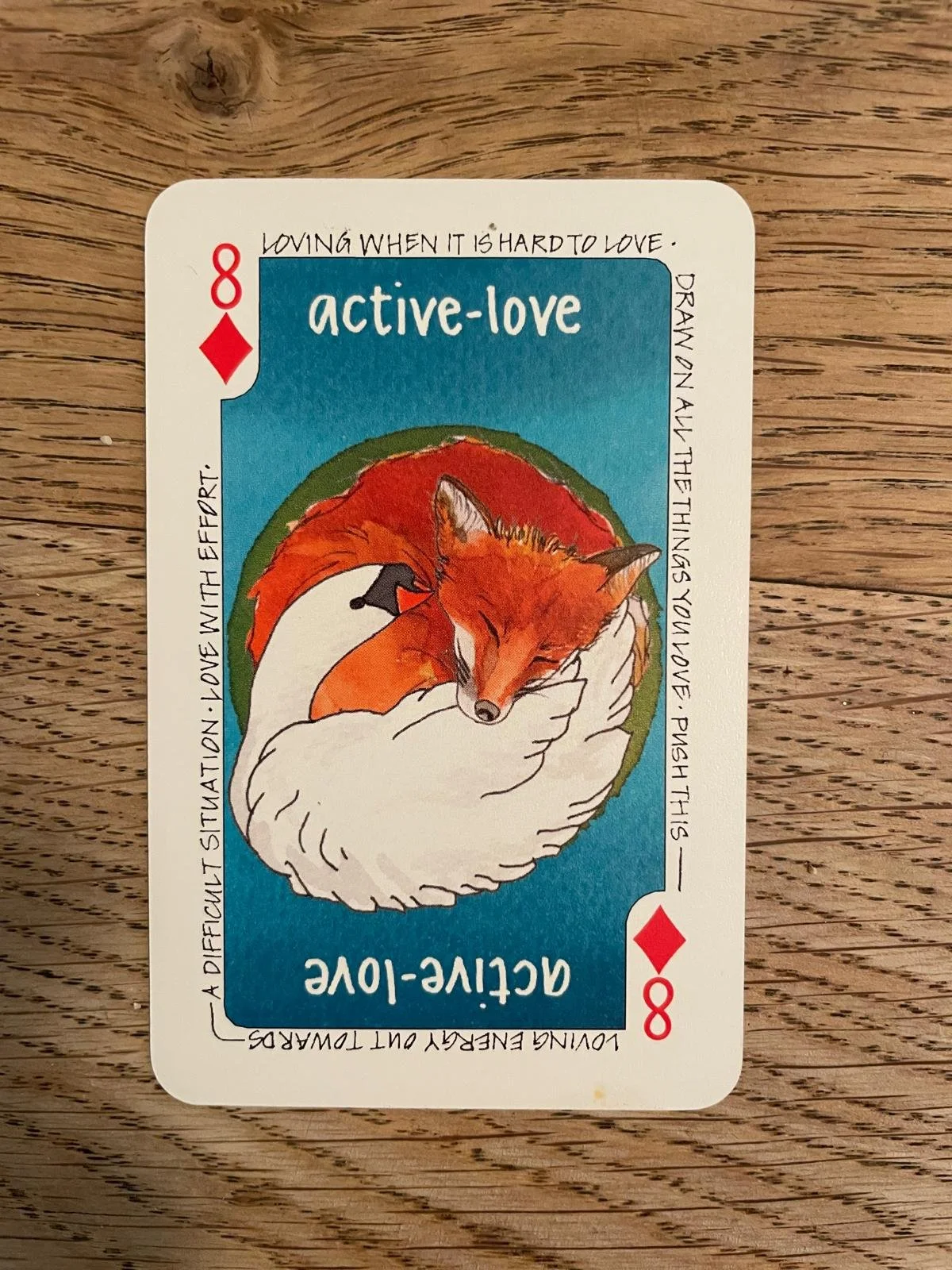
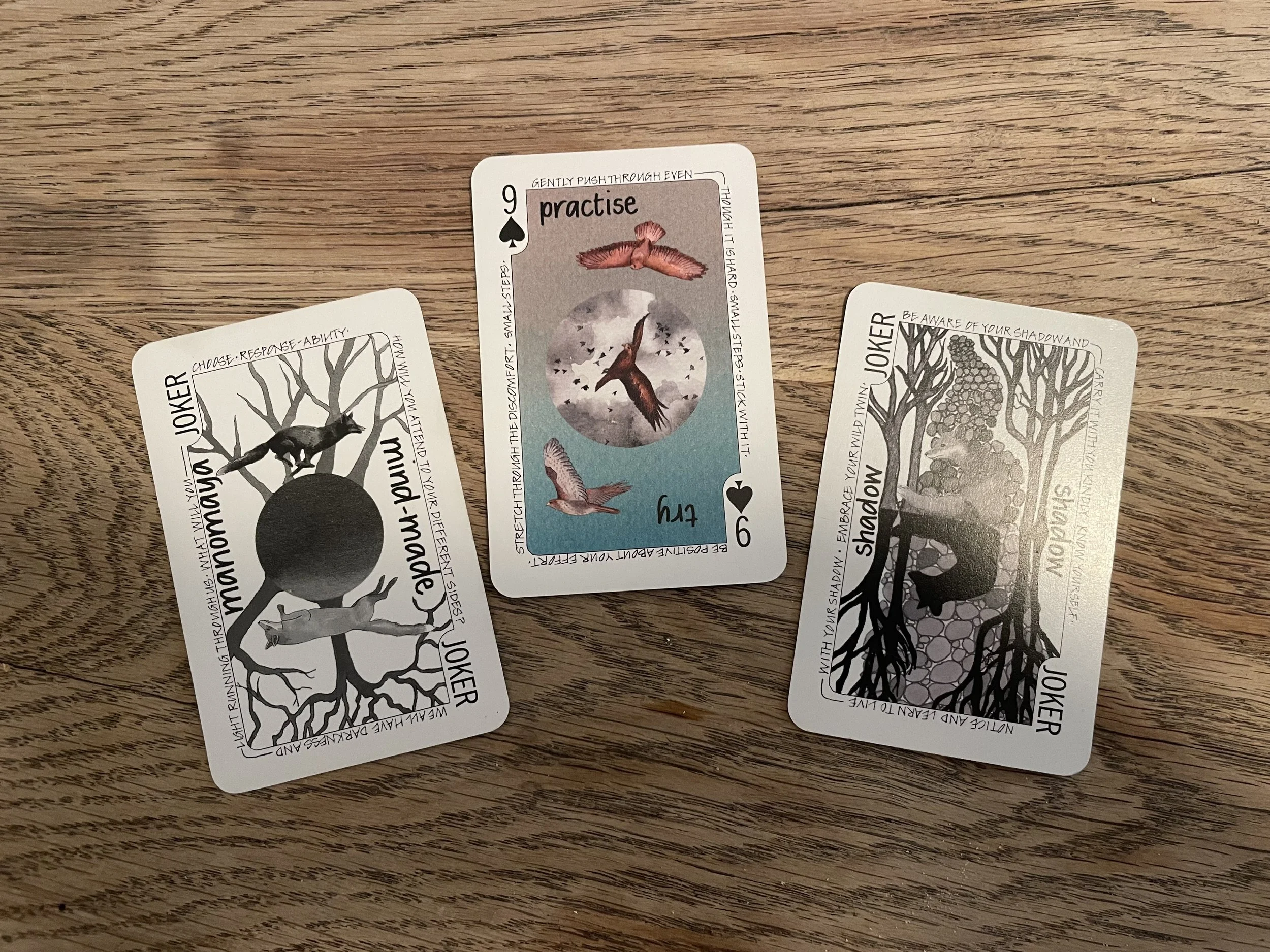
The pictures on this blog come from our associated project, The Cards.
Receive a pack as part of the gift for joining our Sage Practices Network
For more on compassion in healthcare see:
Human Values in Healthcare Forum